One simple message every Australian needs to remember
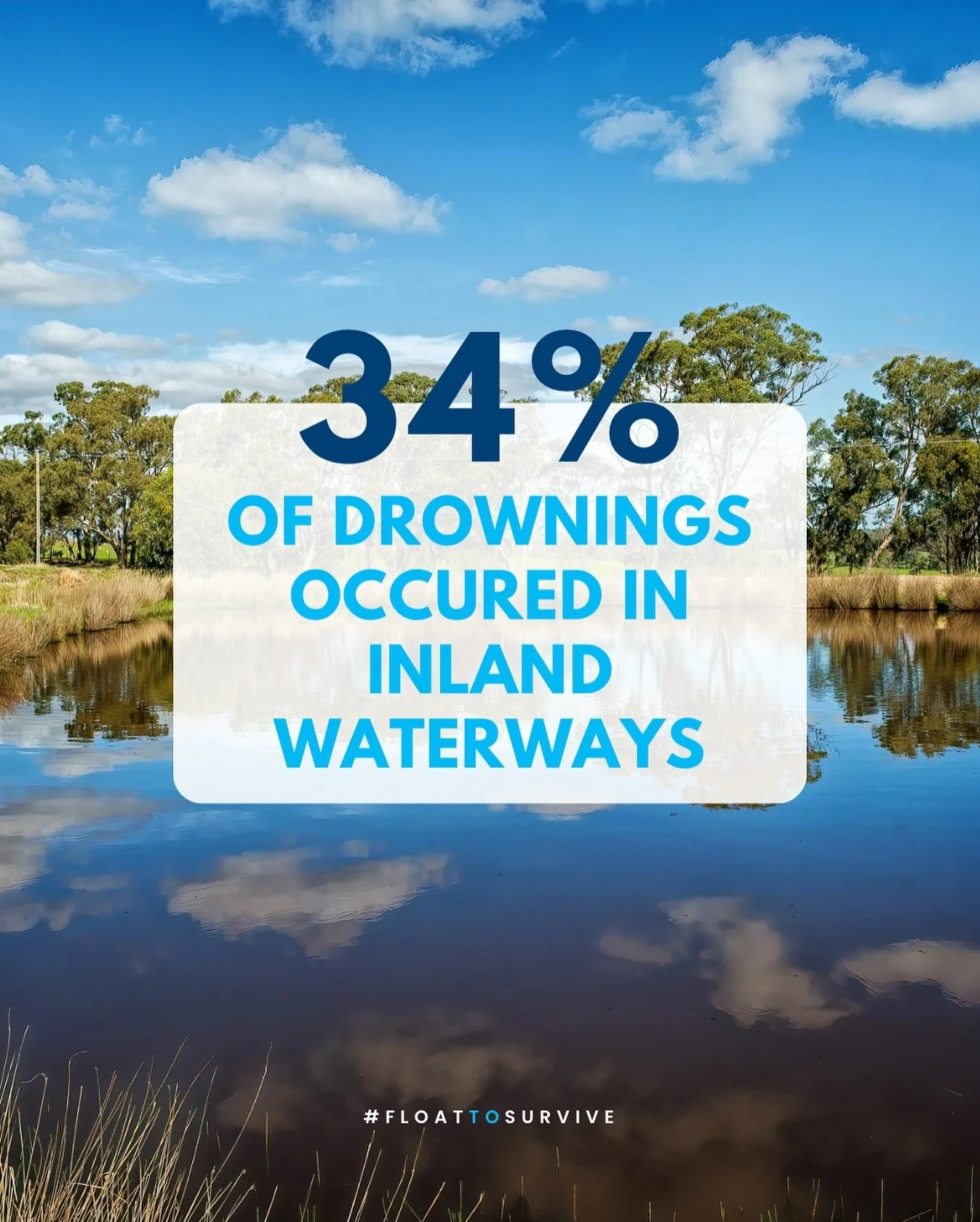
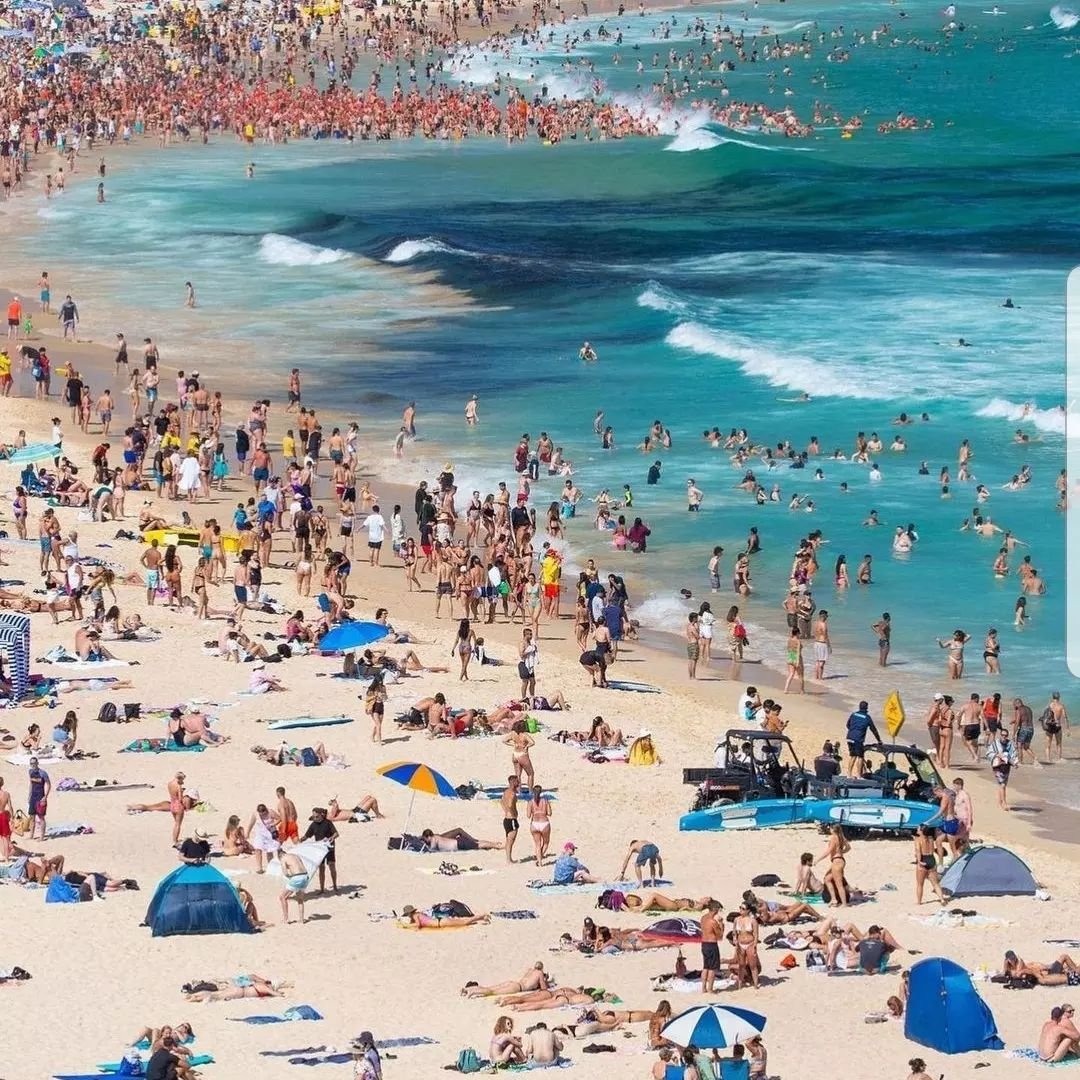
If you get into trouble in the ocean in a pool in a river in a dam

Ask Yourself…
If you got into trouble in the water…
What would you do?
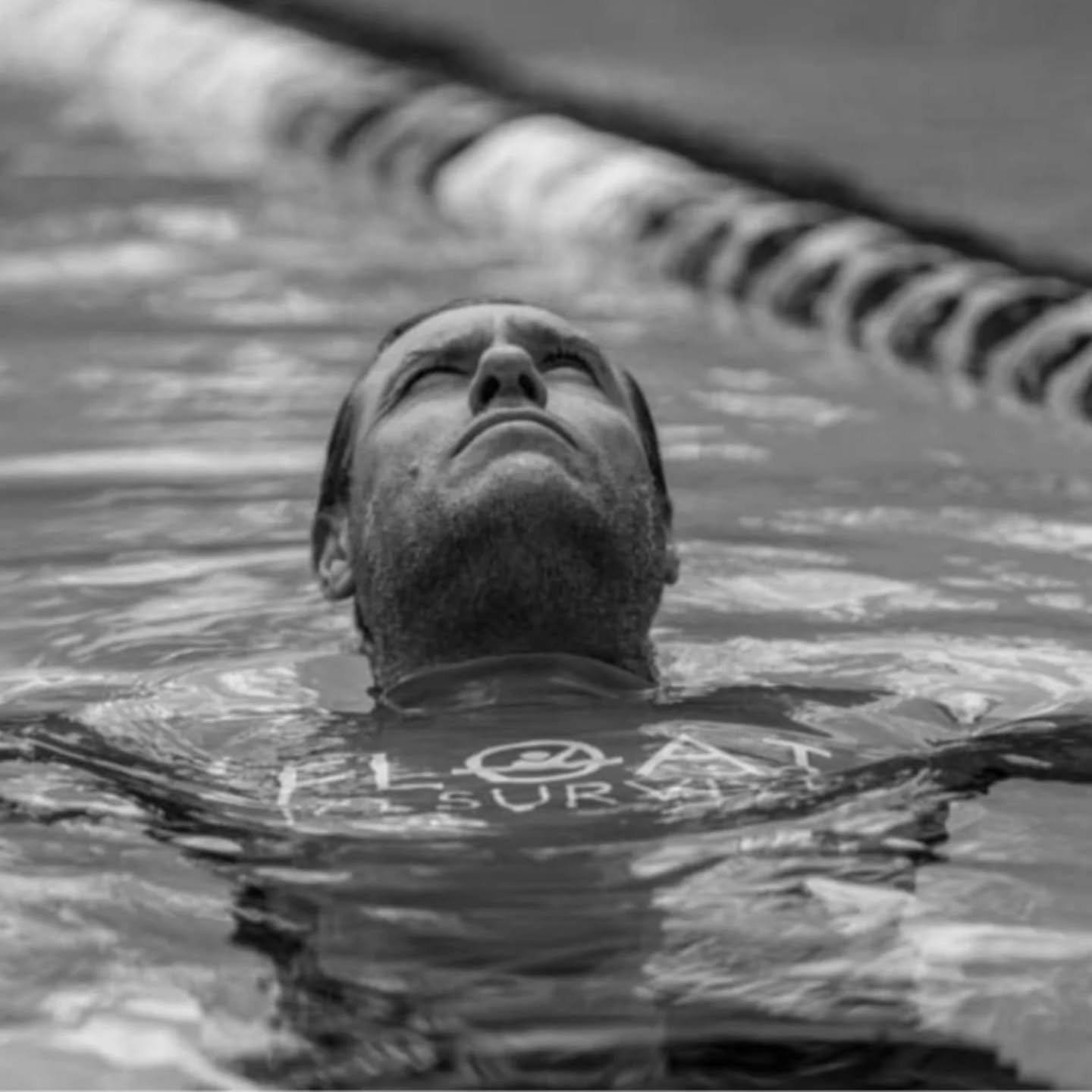
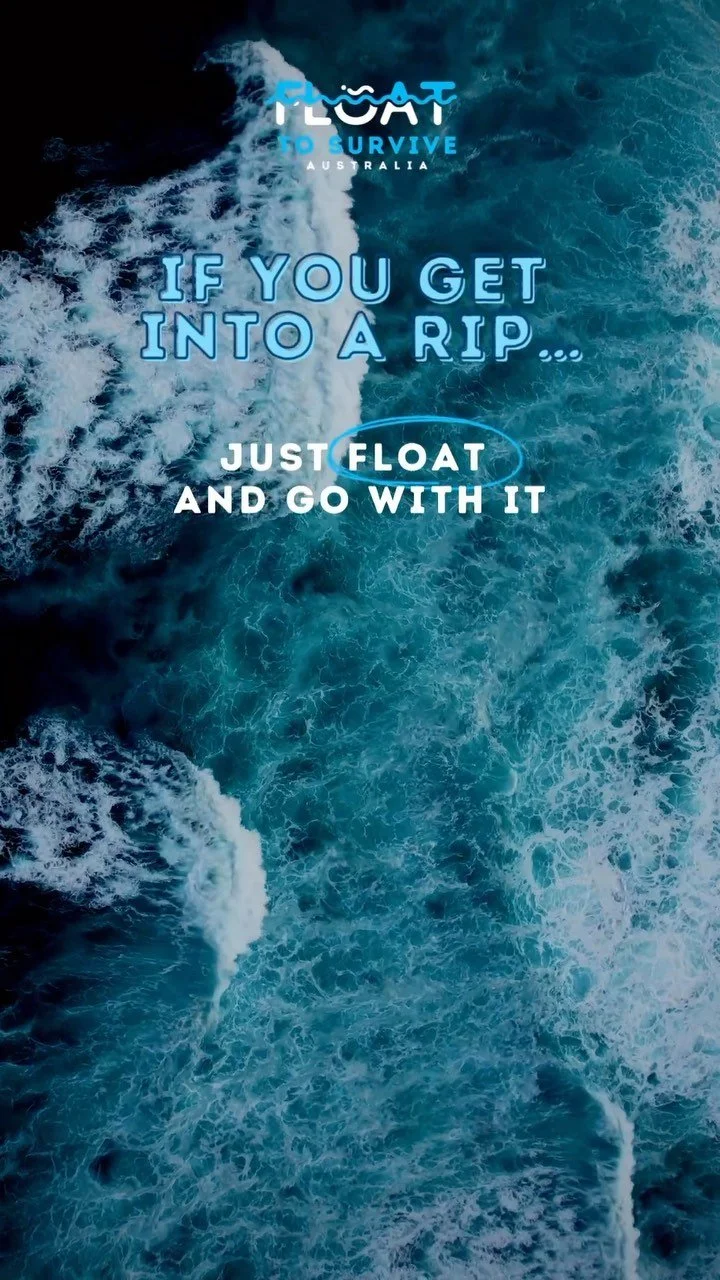
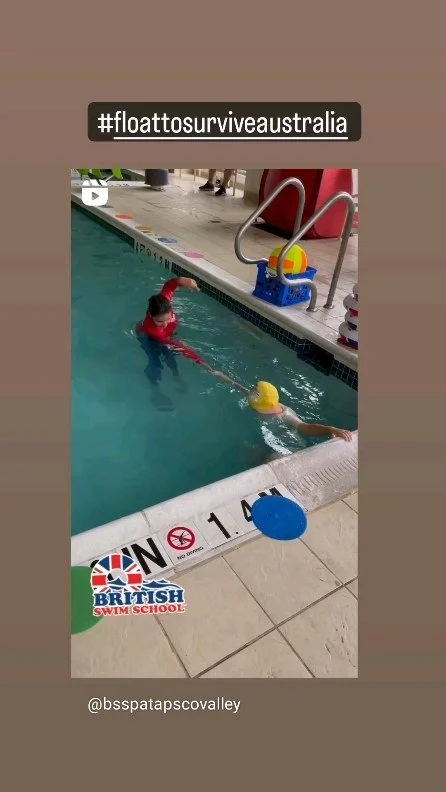
We want all Australians to learn to float.
The time in which you float for could end up saving your life.
5 simple steps
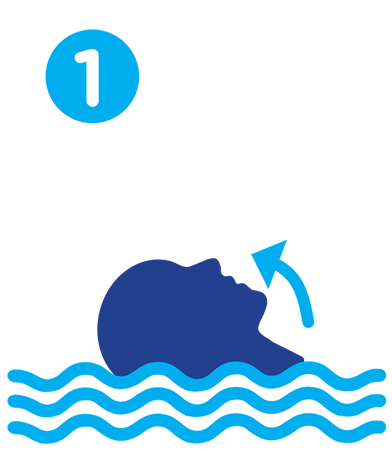
Keep your head and mouth above water
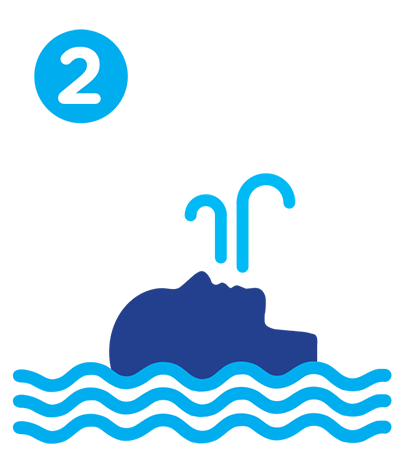
Control your breathing

Spread your arms and legs for balance
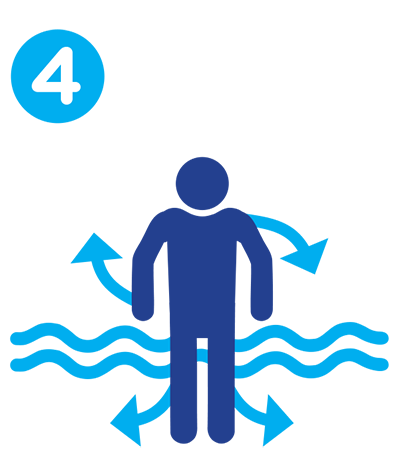
Use a circular motion to maintain buoyancy
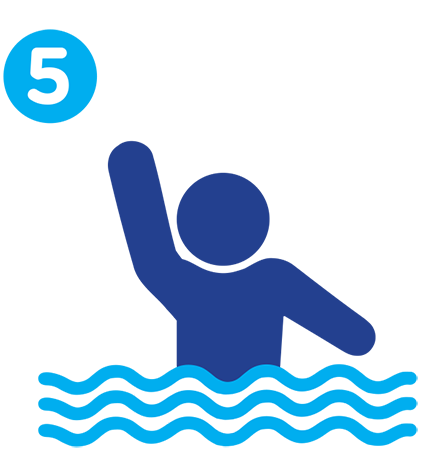
Signal for help
Why floating matters
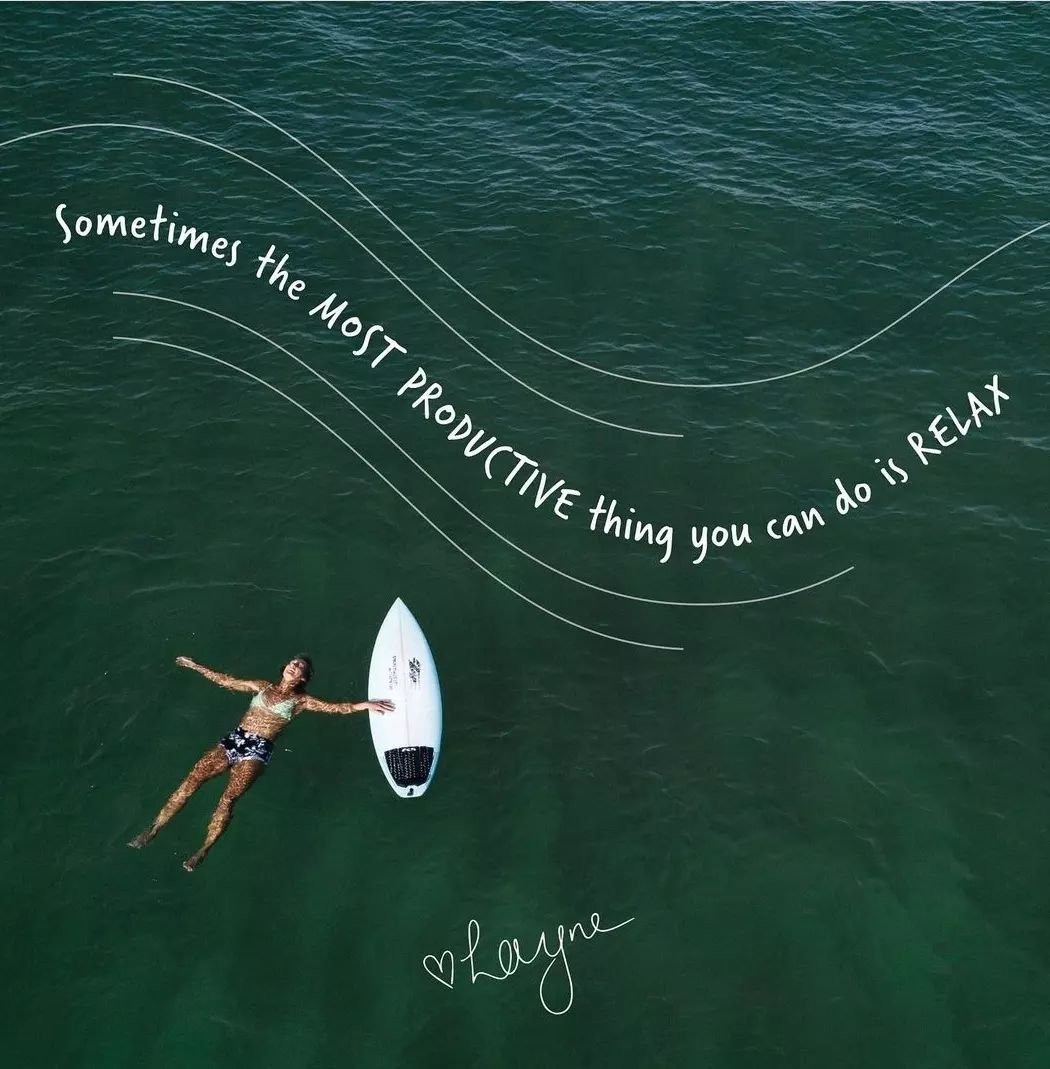
When Panic sets in, your body tires faster. Floating conserves energy, helps you stay calm, and increases your chances of survival until help arrives.
Float to Survive partners with Carnival Cruises to provide vital water safety training in the South Pacific.
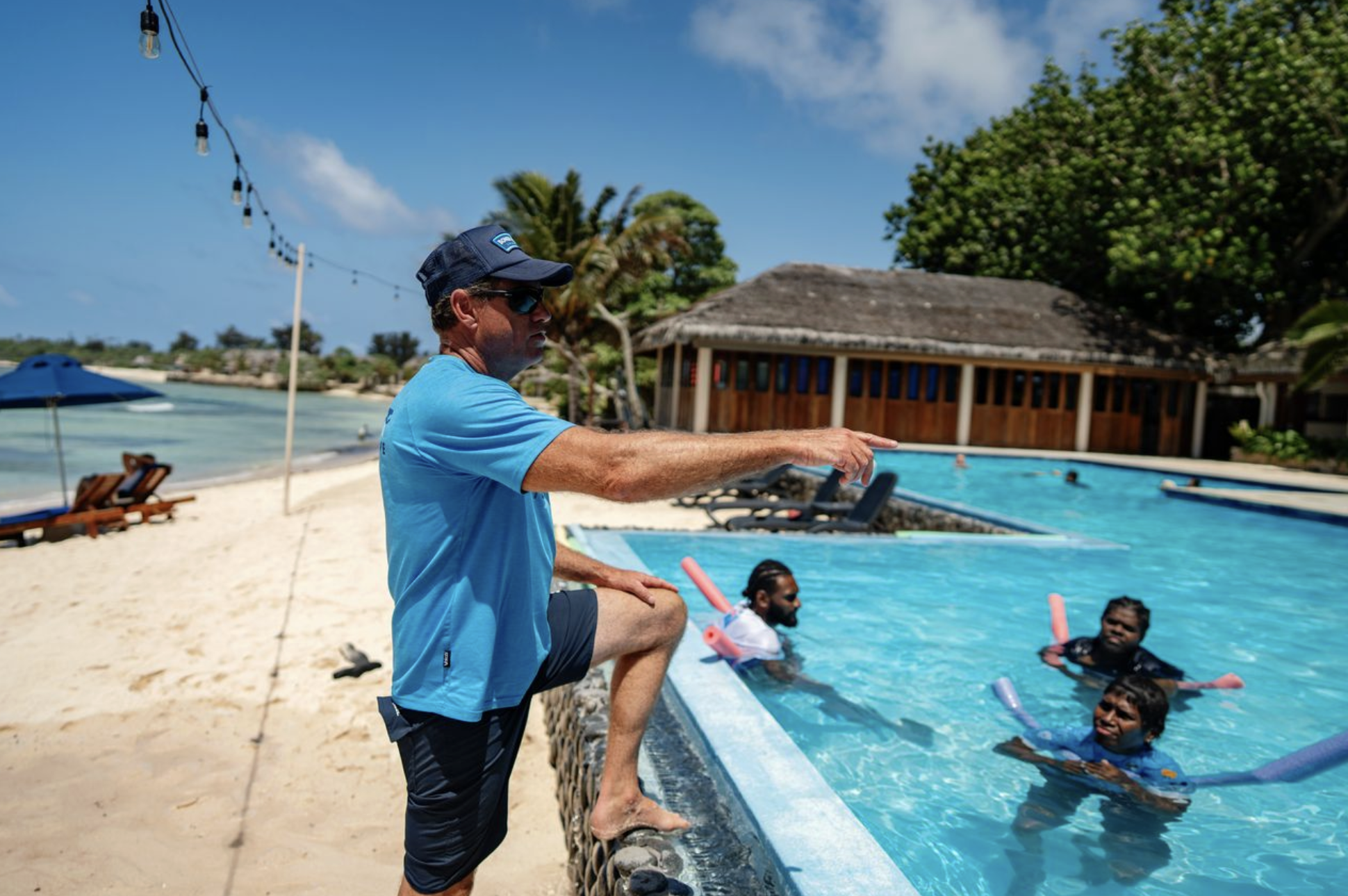
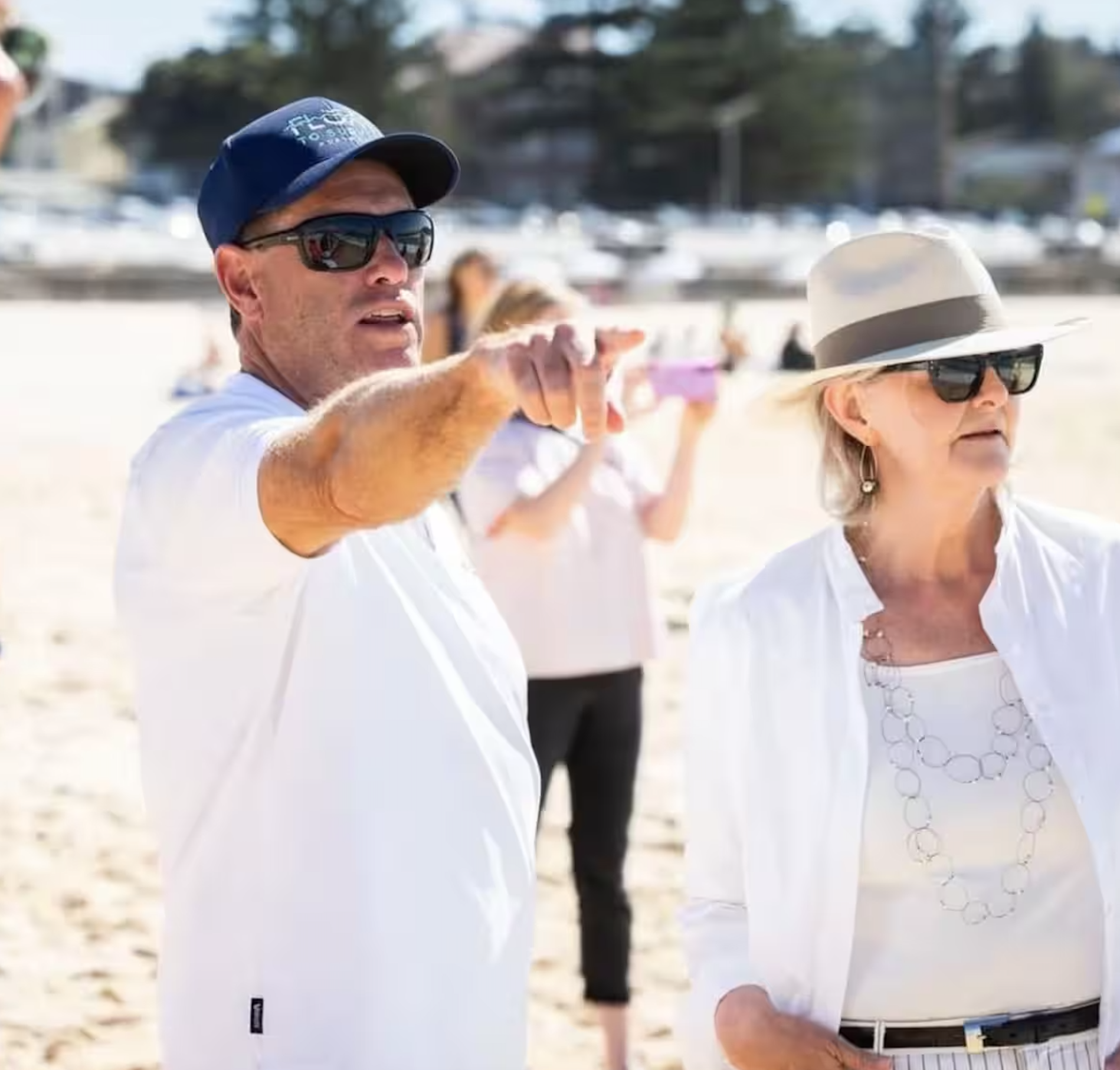
Sydney’s iconic Bondi lifeguards and Float to Survive Founder, Bruce Hopkins have delivered vital life-saving training to local communities in Vanuatu as part of a Carnival Cruise Line program to support South Pacific destinations.
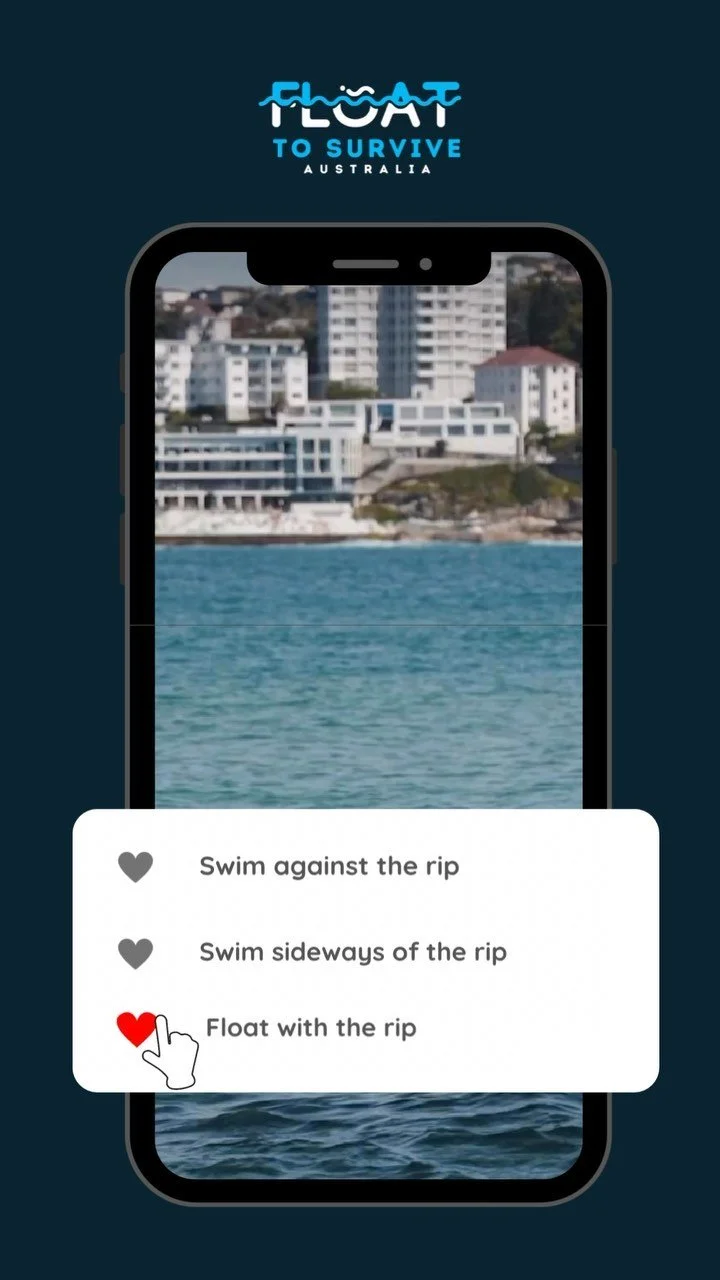
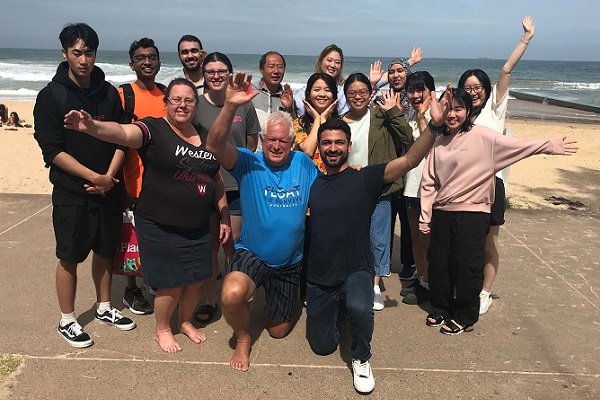
The team spent three days on Mystery Island and two days in Port Vila, teaching 100 Ni-Vanuatu on how to spot a rip, safely rescue someone in distress, and administer CPR and First Aid.
“This program teaches people how to stay calm in a potentially life-threatening situation in the water. They’re taught simple yet vital skills that can save lives. It was fantastic to see how much the participants learned and improved their skills in just a few days.”
Vanuatu has the fourth highest drowning rate in the world, according to the World Health Organisation, and despite being a nation made up of 83 islands, most children are not taught to swim.
OUR SUPPORTERS













NEWS + MEDIA
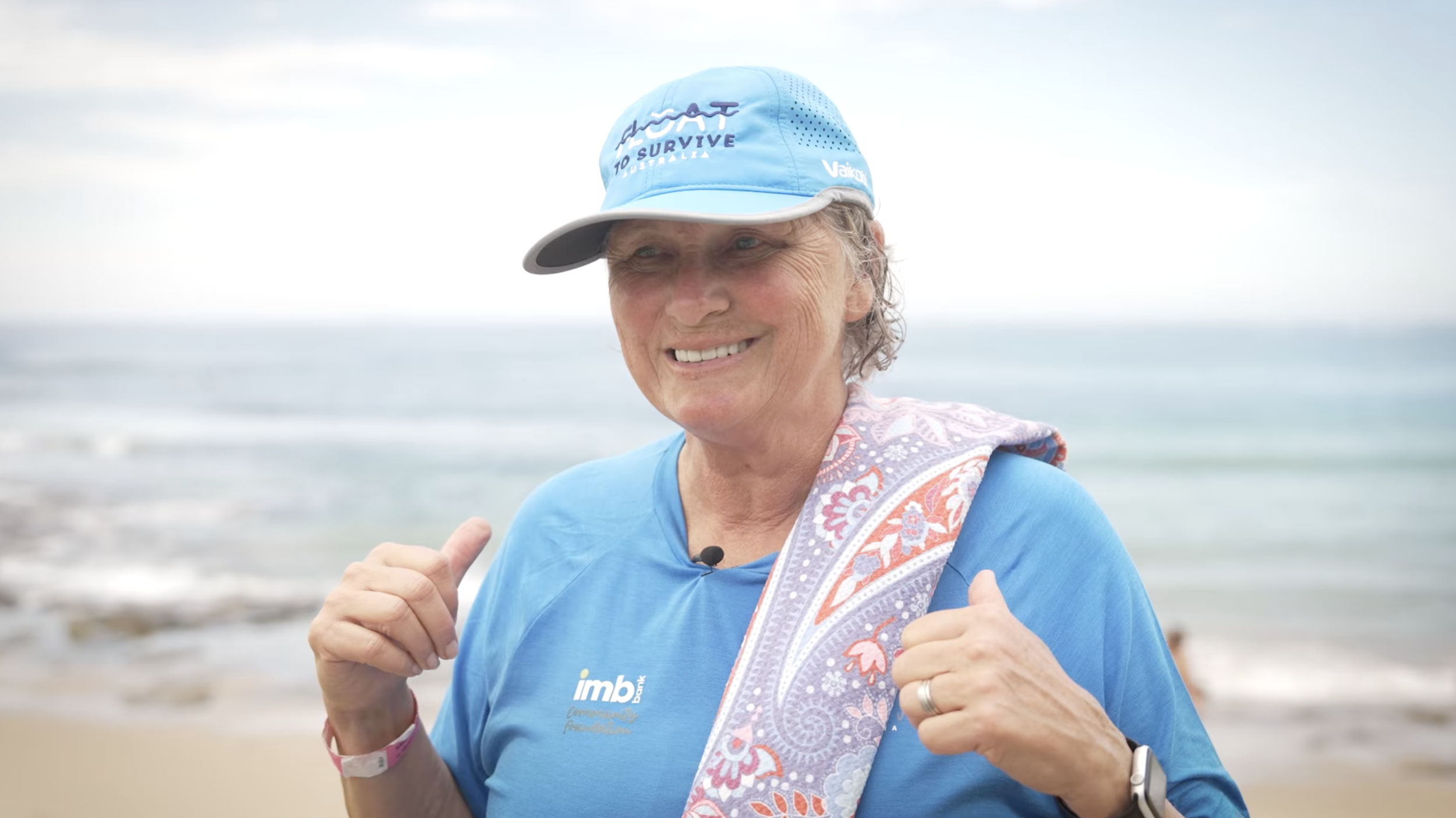



Why Floating Matters
When panic sets in, your body tires faster. Floating conserves energy, helps you stay calm, and increases your chances of survival until help arrives.